How to Create Your Own AI Character (Step-by-Step Guide)
Creating your own AI character is a great idea if you want to enhance your digital experience. An AI character is cool because it allows you to showcase your personality in the digital world. It will be the way you interact with others, respond, assist and build connections with other users. And these characters can take different forms, from virtual influencers to a game companion, a RP chatbot for the website, or even a branded assistant.
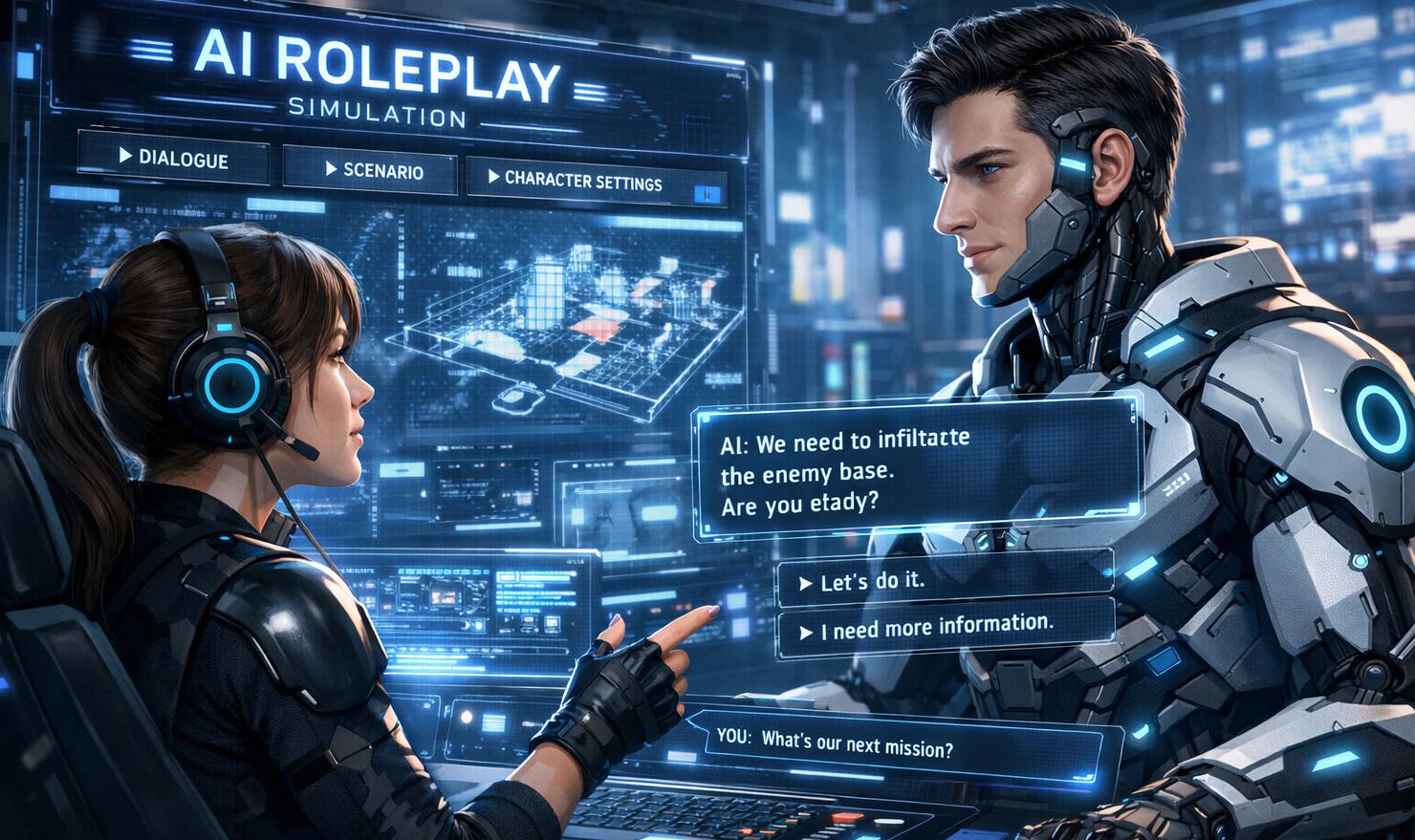
Step 1: Define Your Character Concept
When you start creating an AI character, the most important thing is to focus on who your character is, and what you want to achieve with him/her. For most people, it will be an extension of themselves. But you always want to make it something different and unique, which shows off unique traits.
👉 First, you have to think of its personality. Is the character funny, friendly, dominant? Knowing this stuff helps immensely, and it will help deliver a much more cohesive experience.
👉 Another thing to note is the backstory of the AI character. Where was it born, how did he live, what notable things happened in their life? That kind of stuff adds depth to the character, and it will make it more interesting. In order to double down here, you can also add certain traits, too.
👉 Define your target audience, because that will also figure out the style and language your AI character will use.
👉 The tone and communication style will define how your character speaks. Here you have a lot of options, from casual and conversational to professional and precise, playful and expressive to calm and reassuring. You can also define the formality levels, sentence length, even the use of emoji if you want.
Step 2: Write a Strong Character Prompt
Prompts are the brain of your AI character. They will tell your AI how to respond, behave and speak. Weak prompts will bring generic responses. However, stronger ones will create a more believable personality.
👉 Describe the character, their name, personality traits, role/purpose, but also the tone and style. That will help establish the baseline behavior.
👉 After that, you want to define the way your AI character will act. You can choose for it to stay in character all the time, or it can adapt its tone based on the user’s mood. In this case, you can also add constraints, like not giving harmful advice or keeping responses engaging.
👉 Example dialogs matter, because they are showing the AI how to behave. Telling it is one thing, but actively showing it how to behave, that will help more than expected.
Step 3: Customize Voice, Appearance, or Avatar (Optional)
Even if this is not mandatory, it does allow you to make the AI character more immersive and interesting. It breathes life into the character, which sets him apart from anyone else’s.
👉 Add images or avatars, because these can help the users better connect with your AI character. The idea is to use either an illustrated avatar, a 3D character, realistic virtual humans, minimalist icons and so on.
👉 You want your character to have a unique voice, too. A lot of the time, these AI characters can speak. And in that case, your focus is to change the tone, accent, pitch and speed. Make it more like the way you want it to sound, and avoid any monotony.
👉 The challenge becomes to actively keep consistency between visuals and personality. Make sure that everything aligns, from the tone to the voice, appearance and so on. For example, a futuristic AI character should have a sleek design and a smooth voice. If elements start falling out of place, then you are breaking the illusion.
Step 4: Train and Refine Your AI Character
Now that you have a baseline for your character, you always want to try and make it evolve to the best of your capabilities. It will be a bit harder than expected at first, but here are some of the things to consider.
👉 Test the conversations and see how the character behaves in different situations, be it simple, emotional, challenging and so on. Take notes and refine what is not working.
👉 Adjust the prompts and responses, and if something feels off, just refine the prompt if you can.
👉 Fixing common issues is another good idea. For example, if the AI is repeating patterns or phrases, refine that. Any out of character responses should also be fixed, too.
👉 And while here, you want to add some unique quirks or signature phrases. It makes the character’s personality shine.
👉 Plus, it does make sense to keep responses dynamic and engaging. The last thing you want is for your AI character to feel like a robot.
When you want to create an AI character, keep it dynamic and interesting. Sure, you can add ideas and notes from your own personality, but always try to make it fresh and interesting. Ideally, you define the character concept, write a strong prompt and then optionally enhance it with the right voice and visuals. And once you finalize the character, continue refining it, so it always ends up being improved!
Home > Blog > How to Create Your Own AI Character (Step-by-Step Guide)